

As teenagers across the country await their exam results next month, we spoke with Head Teacher Sarah Taylor about how Bere Clinic School supports students in continuing their studies while undergoing treatment as in-patients.
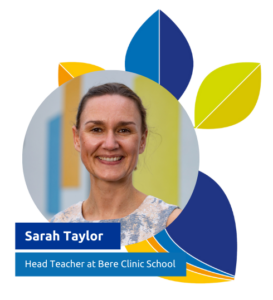
“For many of the young people we support, there is a depletion in their memory due to malnutrition – the reason they are in hospital for treatment. We have found that the revision tactics they use further compound the issue – they love to copy notes and their books are immaculate – but there is a real problem with the retention of that knowledge.
“We do a great deal of work in PHSE that is linked to revision, not just for exams, but to enhance general metacognition. Lisa, our Deputy and SENCO, is in charge of that. She helps pupils understand there are better ways to learn and retain, and helps them learn how memory and retrieval work.
“We understand that when you’re unwell and malnourished, your memory is depleted and concentration is difficult. So, we spend time pulling them out of their comfort zone of copying notes to help them work their brain to recall and secure information into long-term memory. We teach them about effective revision strategies and the principles behind metacognition, which is the process of thinking. It involves being aware of your own cognitive processes and how you learn using a range of strategies, such as mind mapping, revision clocks, flashcards, quizzes, blurting, cover-write-check, dual coding and practice questions.
“We work through different aspects of past papers with skills sessions each week, such as ‘Wordy Wednesday’. That’s when we look at ‘wordy’ maths questions and how to interpret the language used to work out what maths is required. Our literacy teacher uses ‘Word of the Week’ to expand their vocabulary and support their understanding of reading questions. Our science teacher uses practical experiments to support skills required and develop understanding.
“We are a JCQ exam centre, which means we can enter students for exams and we also host exams. We can host exams at the very last minute if someone comes to us in the middle of exam season – we do everything required at extremely short notice to get that paper! We can facilitate vocational exams, and we also have trained invigilators on our team, too.
“We will do everything we can to make sure all pupils get the qualifications they want and need to achieve their goals, including getting into college. We try to keep as many doors open for them as possible so they are not disadvantaged later. We know the young people well, and we sometimes see special educational needs or cognitive challenges which have not been diagnosed before, sometimes because they have been so unwell. This impacts cognition and concentration.
“And so we can undertake assessments with a qualified exam assessor and gather the evidence required. This can help pupils access scribes, readers or extra time, if that is what they need to access examinations while in hospital and sometimes, dependent on the level of need, for any future examinations at college.
“At the heart of what we do, it’s always measured by where the young person is in terms of their own health and wellbeing, and we have not had a young person who couldn’t sit their exams. Our aim always is simply to prepare them as much as possible to reduce the understandable anxiety they feel around exams. The pupils we support, as a rule, want to sit their exams – they want to do well. And we do everything in our power to help them achieve their goals.”