Who we support
- Women over the age of 18 years
- May be detained under the Mental Health Act 1983 (amended 2007)
- Primary diagnosis of an eating disorder
- BMI over 12.5
- May have other diagnoses including mental illness, Personality Disorder (PD) or autism
- May require nasogastric feeding
- May have a history of self-harm and/or self-neglect
- May have additional associated complex needs including a history of substance misuse or a history of trauma and/or abuse
Individualised Recovery Approach
At Tŷ Glyn Ebwy, we understand that recovery is a personal journey shaped by many factors, including the complexity of the condition, readiness for treatment, emotional safety, physical health, and past trauma. To support this, we integrate three core frameworks into our care model:
- PEACE Pathway Developed through clinical experience, this approach addresses the overlap between eating disorders and autism. Around 37% of individuals with eating disorders may also be autistic or show autistic traits. All patients are screened for ASD and, if needed, referred to the Elysium Autism Assessment Pathway (EAAP) for formal diagnosis using ADOS-2 and ADI-R tools.
- Maudsley MANTRA Model This model targets the psychological factors that maintain eating disorders, such as identity fusion with the disorder, rigid thinking, emotional regulation difficulties, and interpersonal challenges.
- Trauma-Informed Care With over half of individuals with eating disorders having experienced trauma, our staff are trained in Trauma-Informed Care, guided by SAMHSA principles and the Trauma-Informed Wales framework. This ensures a safe, respectful, and empowering environment that supports meaningful engagement and reduces the risk of re-traumatisation.
Our Approach to Care
At Tŷ Glyn Ebwy, our Multidisciplinary Team (MDT) uses a wide range of skills and therapies to support recovery. We empower individuals through self-determination, hope, and personalised goals. Our care model focuses on four pillars: goal setting, treatment pathways, therapeutic interventions, and ongoing evaluation.
Guiding Principles
Our care is guided by:
- Evidence-based interventions
- Co-production with individuals, families, and referrers
- Safe, least restrictive, and effective care
- Equity and consistency in service quality
- Collaboration with community and external partners
- Compassion, dignity, and respect
- Timely, responsive, and tailored support
The Team
Our Multidisciplinary Team (MDT) at Tŷ Glyn Ebwy
- Registered Manager
- Consultant Psychiatrist
- Specialty Doctor
- Nurses & Practice Nurse
- Consultant Psychologist, Assistant Psychologist & Systemic Psychotherapist
- Dietitian & Dietetic Assistant
- Occupational Therapist
- Social Worker
- Healthcare Workers
The team operates within a culture grounded in restorative practice, fostering collaboration, respect, and shared responsibility in delivering high-quality care.
What we do
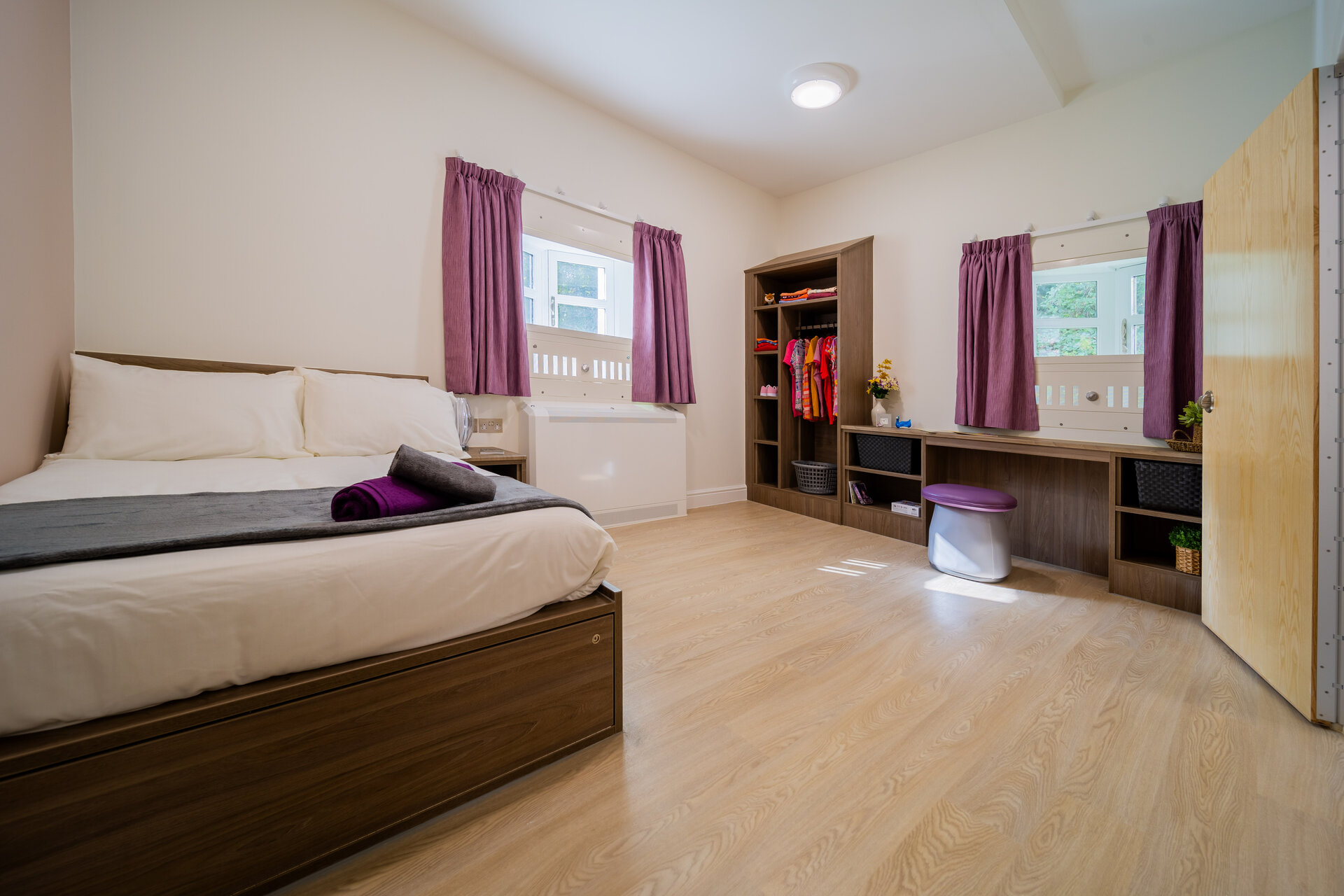
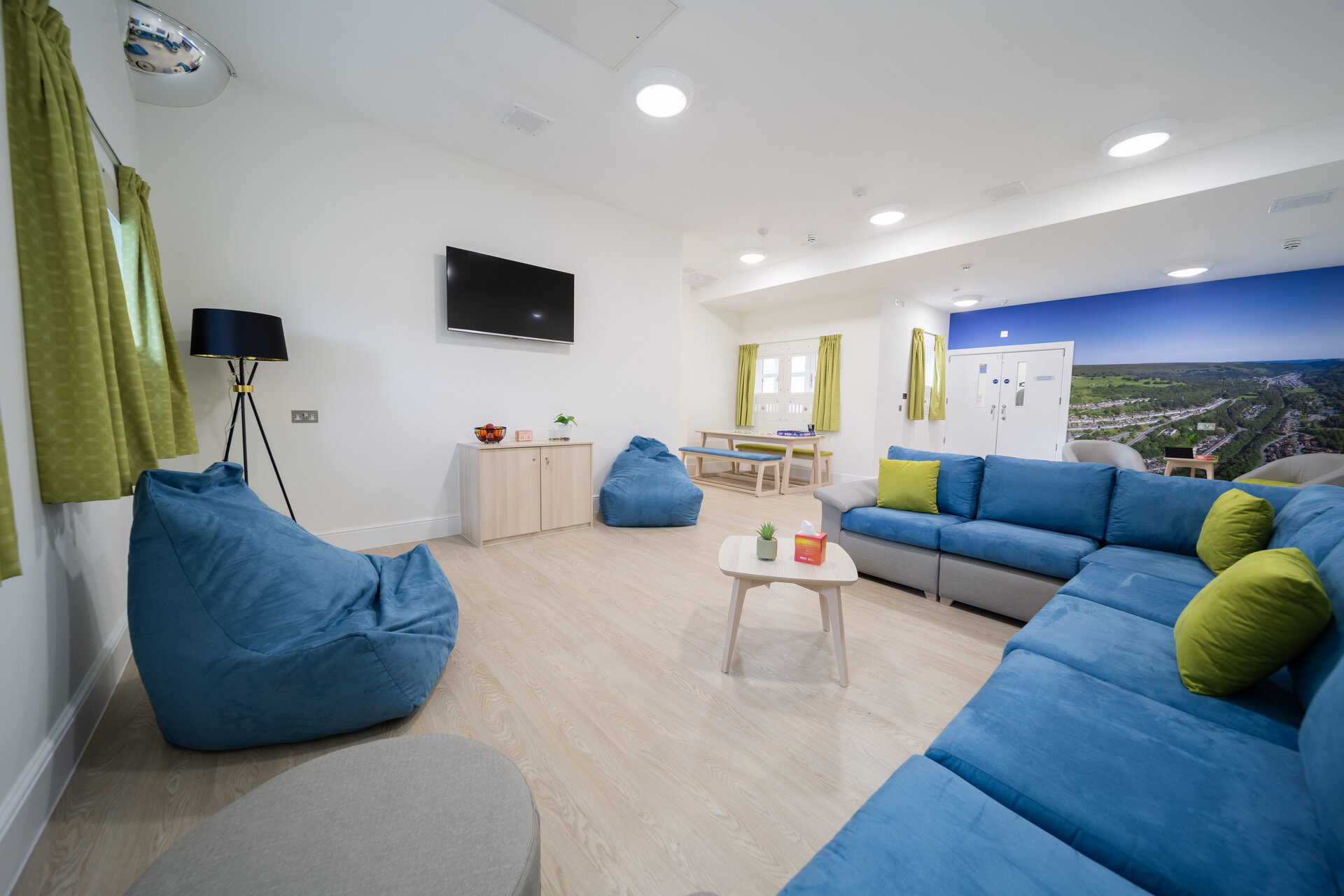
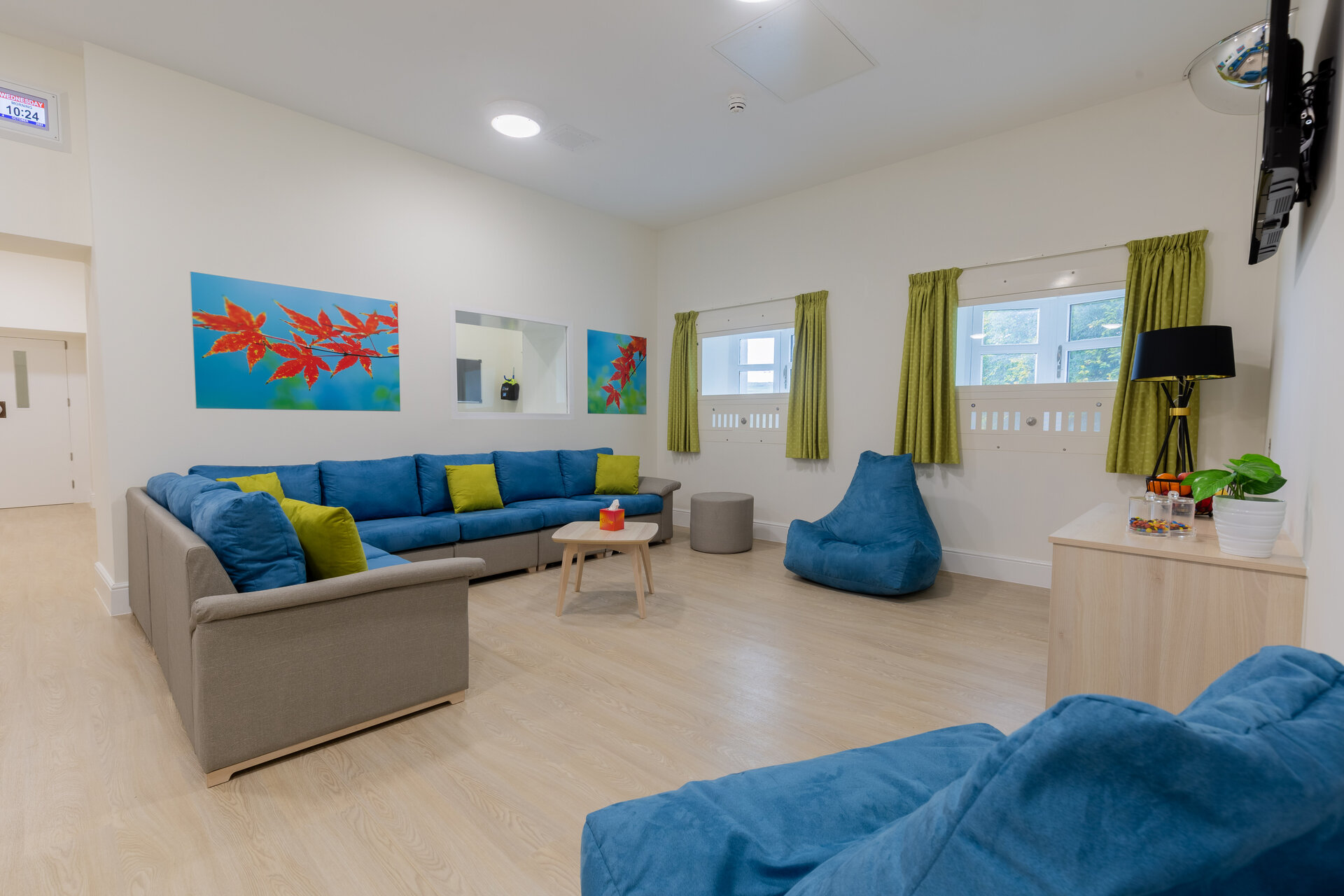
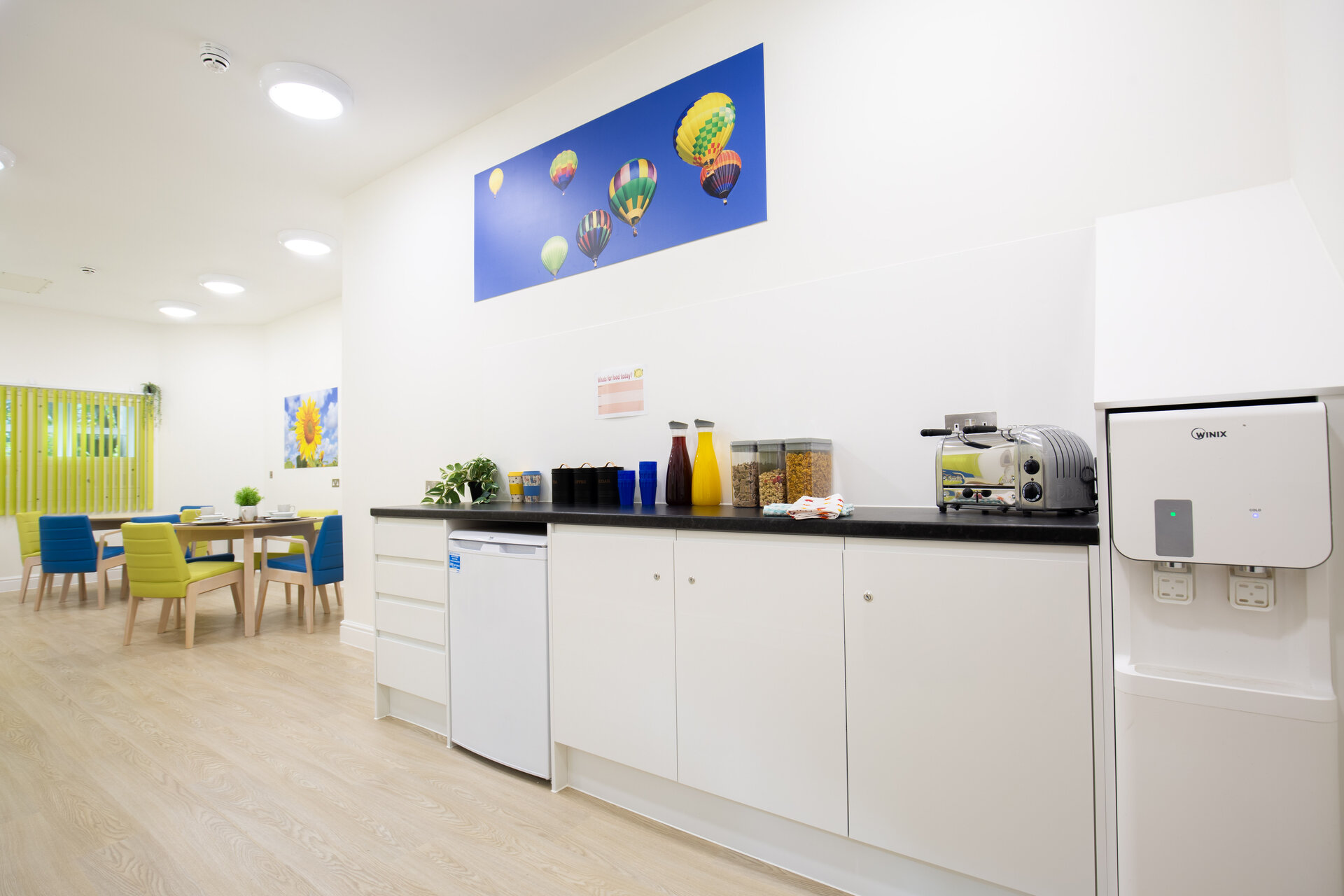
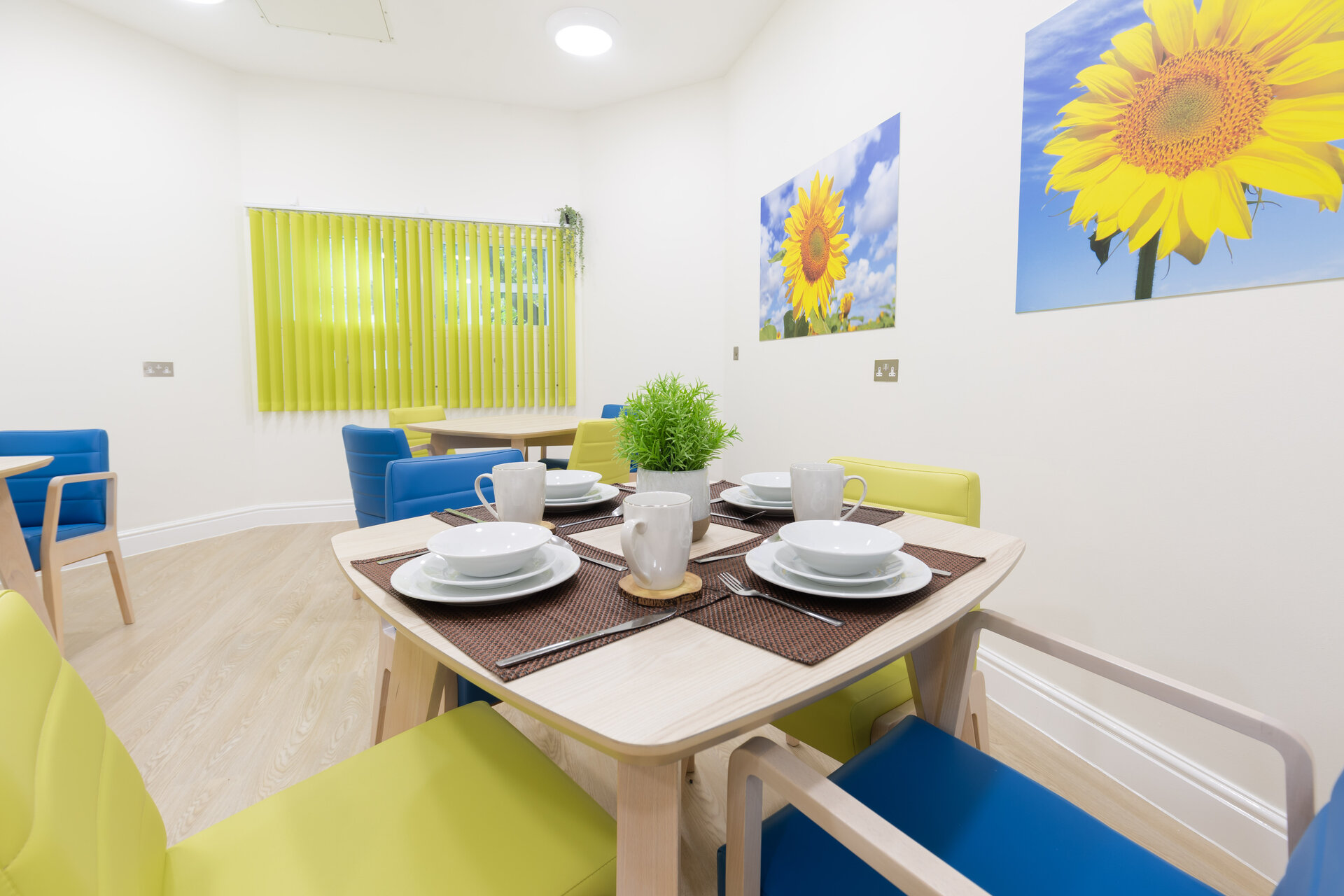
We aim to deliver high-quality care that supports individuals in restoring healthy eating patterns and achieving a sustainable discharge. Our environment is designed to be safe, supportive, and homely helping reduce distress and improve overall quality of life.
Recovery often involves reducing emotional behaviours linked to eating disorder psychopathology and developing skills for emotional regulation, crisis management, and interpersonal effectiveness.
Our objectives include:
- Setting clear, focused goals
- Supporting the development of effective coping strategies
- Minimising length of stay
- Encouraging family involvement
- Planning for discharge from the point of admission
What support we offer
Dietetics
Our dietetic team provides personalised care plans, daily meal support, weekly nutrition groups and clinics. The PEACE menu model is used to offer flexible meal options, particularly supporting individuals with ASD traits.
Occupational Therapy
Guided by the Model of Human Occupation (MOHO), OT assessments include functional, sensory, and initial evaluations. Occupational Therapy led, the Safe Exercise at Every Stage (SEES) model and run therapeutic groups such as cooking, mindfulness, expressive arts, and social eating. Support is also provided for daily living and vocational activities.
Medical
A Consultant Psychiatrist and Specialty Doctor oversee medical care. Comprehensive assessments are conducted on admission, with support for co-morbid conditions. MEED guidelines and refeeding protocols are followed.
Psychology
Following assessment, individuals receive tailored one-to-one and group therapies. Core treatments include CBT-E, MANTRA, and FPT, alongside additional interventions like EMDR, DBT & RO-DBT skills, ACT, Schema Therapy, CREST and psychoeducation. Group sessions include RO-DBT skills, CFT, LEAP, Bodywise and PEACE Pathway workshops.
Family Therapy
A Systemic Psychotherapist offers family and couples therapy using dialogical and narrative approaches. Two weekly systemic groups and a monthly carers group are also available.
Social Work
The Designated Safeguarding Lead (DSL), ensures safeguarding concerns are addressed openly with patients, respecting their voice and perspective. Our approach is grounded in the Secure Base Model, Empowerment Theory, Humanistic values, and anti-oppressive, anti-discriminatory practice, promoting safety, autonomy, and equality in care.
For further information or to discuss a potential referral please dial our 24 hr referral line on 0800 218 2398. Alternatively you can email referrals@elysiumhealthcare.co.uk or elys.referrals@nhs.net